
ENTERTAINMENT
VR Concerts Become Mainstream: Meta and Apple Battle for Virtual Live Events
Virtual reality concerts draw 10M+ attendees as Meta Quest and Vision Pro compete.
Global esports revenue surpasses $2.1 billion as Twitch, YouTube Gaming, and Kick battle for audience dominance. From record sponsorship deals to the mobile esports revolution, we break down the forces reshaping competitive gaming in 2026.
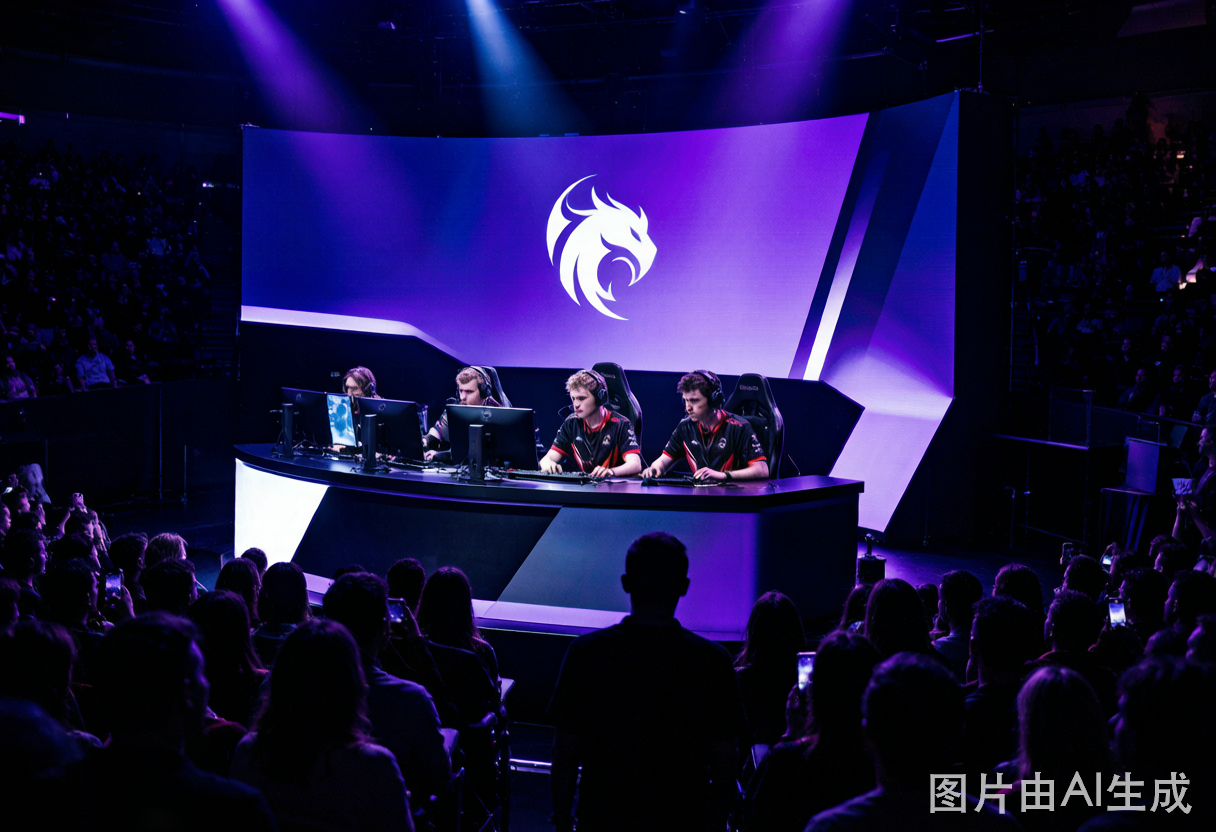
The esports industry has been promising a billion-dollar future for nearly a decade. In 2026, that future has arrived — and it's bigger than anyone predicted. Global esports revenue has officially surpassed $2.1 billion, according to Newzoo's mid-year industry report, driven by an unprecedented convergence of streaming platform competition, mobile gaming expansion, and corporate sponsorship that would have been unthinkable just three years ago.
The battle for esports viewership has become the defining story of 2026. Twitch, the long-dominant streaming platform, has seen its market share erode for the first time — dropping from 72% in 2023 to 58% today. The challenger isn't just YouTube Gaming, which has invested $500 million in exclusive streaming rights for major tournaments. It's Kick, the Amazon-backed platform that launched in 2023 and has aggressively pursued creators with revenue splits that Twitch can't match.
Kick's 95-5 revenue split (creators keep 95% of subscription revenue) versus Twitch's 50-50 has prompted a wave of top-tier streamer migrations. Ninja, Shroud, and Valkyrae all signed exclusive Kick contracts in 2025, and the platform now commands 22% of esports viewership. YouTube Gaming holds the remaining 20%, bolstered by its superior VOD infrastructure and integration with Google's advertising ecosystem.
"The three-platform landscape is actually healthier for esports than Twitch's monopoly was. Competition drives investment, and investment drives production quality, creator earnings, and audience reach. The era of a single gatekeeper is over."
— Michele Attisani, CBO of ESL Gaming, Esports Business Summit, May 2026
Corporate sponsorship has always been esports' primary revenue driver, but 2026 has seen a qualitative shift. Traditional gaming sponsors — hardware companies, game publishers, and energy drink brands — have been joined by mainstream blue-chip brands that previously treated esports as an experimental marketing channel. Mercedes-Benz, Visa, and Deloitte have all signed multi-year partnership deals worth $50M+ each, treating esports as a core marketing channel rather than a side project.
The reason is simple: demographics. Esports audiences are overwhelmingly 18-34, digitally native, and difficult to reach through traditional media. For brands competing for Gen Z and Millennial attention, esports sponsorship isn't optional — it's essential. The total sponsorship revenue for 2026 is projected at $640 million, up from $380 million in 2023.
While PC and console esports dominate Western headlines, mobile esports is the real growth engine. China, Southeast Asia, and India have massive mobile-first gaming populations, and titles like PUBG Mobile, Honor of Kings, and Free Fire have built competitive ecosystems that dwarf Western tournaments in audience size. The PUBG Mobile Global Championship 2026 drew 180 million concurrent viewers — more than the Super Bowl, FIFA World Cup final, and Olympics opening ceremony combined.
Mobile esports revenue accounts for 35% of the global total ($735 million), and this share is growing. Tencent's Honor of Kings Pro League generated $120 million in sponsorship revenue alone, making it the most commercially successful single esports league in the world. Apple and Google have both launched mobile esports initiative programs, offering developer tools and tournament infrastructure to accelerate mobile competitive gaming.
"Mobile esports isn't the future — it's the present. Western audiences just haven't noticed because their media coverage is PC-centric. The $2.1B number would be $3B+ if mobile were properly accounted for in Western reporting."
— Darren Marshall, VP of Mobile Esports, Tencent Games, Mobile Gaming Conference, June 2026
Esports' revenue growth has created a paradox: the industry is commercially successful but structurally fragile. Tournament organizers, team owners, and streaming platforms all depend on a handful of blockbuster titles — League of Legends, Valorant, and Counter-Strike 2 — for the majority of their audience and revenue. If Riot Games or Valve were to change their competitive ecosystem policies, the entire industry would be destabilized.
The Esports Commission, a newly formed industry body backed by ESL, Riot, and Valve, has begun developing minimum standards for competitive integrity, player welfare, and revenue sharing. Its first major initiative: a standardized revenue-sharing framework that ensures teams receive a minimum of 30% of league-level sponsorship and broadcast revenue, addressing the chronic financial instability that has plagued esports organizations.
Virtual reality concerts draw 10M+ attendees as Meta Quest and Vision Pro compete.

Netflix's AI-assisted director tool uses machine learning to optimize production.

Sony's PlayStation 6 specs leak reveals custom AMD GPU targeting 120fps ray-tracing.